Gradine Toto · Mayday Rachael
Gradine Toto Sent 'Mayday Rachael' Into Silence, and 7.5 Million People Answered
Who is Gradine Toto, and where is he from? The web gives three answers for the singer of 'Mayday Rachael', a Lingala song with 7.5 million YouTube plays.
Min Key,
A rumba distress call to someone who read every message and answered none; the singer's passport is unclear, his music is plainly Congolese, and his stage is Kenya.
Type Gradine Toto into a search engine and you get three nationalities. A download blog files 'Mayday Rachael' under Congo on one page and under Kenya on another. A Ugandan fan page calls him a Kenyan rumba artist. A biography site places his birth in Kinshasa. None of them cite anything, and the song they are describing has 7.54 million plays on its official YouTube upload.
The questions people bring are simple ones: who is this man, where is he from, and what is he singing about? Only the last has a clean answer. It also turns out to be the best clue to the first.
The song first: a Lingala love letter with a French title
'Mayday Rachael' came out on 13 February 2026, with Gradine Toto credited as composer and the rights line reading Gradine Toto - Dapstrem Entertainment. It is almost seven minutes of rumba, sung mostly in Lingala, the language of Kinshasa and Brazzaville, with whole lines in French and one Spanish endearment, mi amor. Even the title plays between languages. Mayday is the radio distress call, and it comes from the French m'aider: help me.
If you do not speak Lingala, you are in large company. Two lyric videos that put English under the song have 959,000 and 565,000 views, uploaded by a lyrics channel rather than by the artist. We will not reprint the words, which belong with the recording on Spotify and Apple Music. Here is what they say.
Read, and never answered
He opens with the distress call and then speaks to her directly. He has been looking for Rachel so his heart can find one moment of peace. Their love has ended and turned into a pit of silence. She is alive and well; his heart is what went missing. Then comes the song's most modern image. He asks her to answer, gently, and says every message he sends has turned blue without a reply. Anyone who uses a chat app knows what that means: she has read them all.
Friends tell him to work hard and he will get past it. They do not know where his heart is falling. He walks through a city made of memories where everything is her and she is nowhere. Every dream says her name, and the phone rings back with silence. He cannot sleep. He cannot breathe. Her name makes a racket in his chest.
The chorus: help, and forgive me
Each time the chorus arrives he sends the signal again, asks to be forgiven for the state he is in, calls out to his mother, and says life has become complicated since Rachel went quiet. He switches to mi amor and mon amour, says his heart refuses to work since she left, and asks for a single sign. The same diagnosis closes every round: everything broke on the day she stopped talking. On the official audio the three choruses are also the three loudest stretches of the track, so the arrangement rises exactly when he calls for help.
Other people's questions
The second verse is about the people around him. He has started living in hiding because the questions have piled up, above all the one he dreads: are the two of them finished? He keeps his mouth shut because something is killing him inside. He cries without tears because his eyes have given up, and he feels the love breaking the way glass cracks slowly. She has chosen distance. He stands in a crowd and is completely alone, and at noon and at midnight his heart keeps calling her.
The bridge turns the signal into a verb, belela, call out, and the call comes from the heart. Everywhere he goes people ask if he is still with her, and he stays silent because the truth is hard to say. He asks where the love she promised to keep has gone, swears he will keep searching even if every road is closed, and says nobody will love her the way he does, because his love asks for nothing and counts nothing. It ends not on a plea but on a promise. In the name of love he will stay exactly where he is, and if Rachel comes back, she will find him there. Compare Katy Perry's 'The One That Got Away', which mourns someone gone for good. This song refuses to accept that she is.
Where is Gradine Toto from?
We could not find him answering that himself, in an interview or on his own pages, and we would rather say so than pick a flag. What we can show is this. The music is Congolese in language and form: Lingala and French, and the long guitar-led rumba that the two Congos are known for. The stage is Kenyan. A Kenyan rumba DJ and promoter, Dj Numz, whose page carries 254, Kenya's dialling code, posted that Toto had performed 'Mayday' at a venue called Vibanda Village, in a post advertising his next rumba night in Umoja, an estate in Nairobi.
That pairing has a long history. Samba Mapangala, born in Matadi in what is now the Democratic Republic of the Congo, moved to Nairobi in 1977 and formed Orchestra Virunga there in 1981, one of East Africa's most successful bands, according to his Wikipedia entry. Congolese singers have been filling Kenyan dance floors ever since. Gradine Toto fits that line whichever passport he holds, and the fans asking where he is from are really asking which of those two countries to claim him for. Songs that cross a border ahead of their singer's biography show up often in our global music trends tracking.
Why so little is written about him
Because the song outran the press. We found no coverage of 'Mayday Rachael' in Kenya's major outlets, only download blogs, fan pages and DJs. A video once listed as the official clip is no longer available on YouTube, so what circulated instead were DJ edits, cover versions, a choir version the artist released himself, and the translated lyric videos. That is also why his biography is full of guesses: a singer can reach millions of listeners now before anyone has interviewed him.
Until someone does, the surest thing to say about Gradine Toto is what the song says about him. He writes in the language of Kinshasa, he is heard in the bars of Nairobi, and his biggest song is a man sending a distress signal to someone who read every message and answered none, and deciding to wait for her anyway.
Sources
- Play and view counts were read from YouTube on 20 September 2026: 7,542,121 on the official audio, which the distributor supplied to YouTube, and 959,410 and 564,797 on the two lyric videos with English text. The release date, composer credit and rights line are from the official upload's description. The loudness remark about the choruses comes from our own measurement of that audio, whose file we deleted afterwards.
- The lyric was read in full and is described here without being reproduced. The claims about where Gradine Toto is from come from the music blog tooXclusive, a Ugandan fan page on Facebook and Dj Numz's Facebook page; a biography site that places his birth in Kinshasa blocked our attempt to read its sources. We found no interview in which he states his nationality. Background on Lingala and on Samba Mapangala is from Wikipedia.
Follow mymy
The songs the world is playing: No. 1s across 60+ countries, AI-or-human checks and what the songs mean.
More song meanings and trends

Photo: Liam Mendes (cropped), CC BY-SA 2.0
NextThe comebackHow TikTok revived a 2011 balladWhy is Katy Perry's 'The One That Got Away' back? A TikTok trend put the 2011 ballad at No. 1 on YouTube's weekly chart in the Philippines. Lyric and video.Keep readingMin Key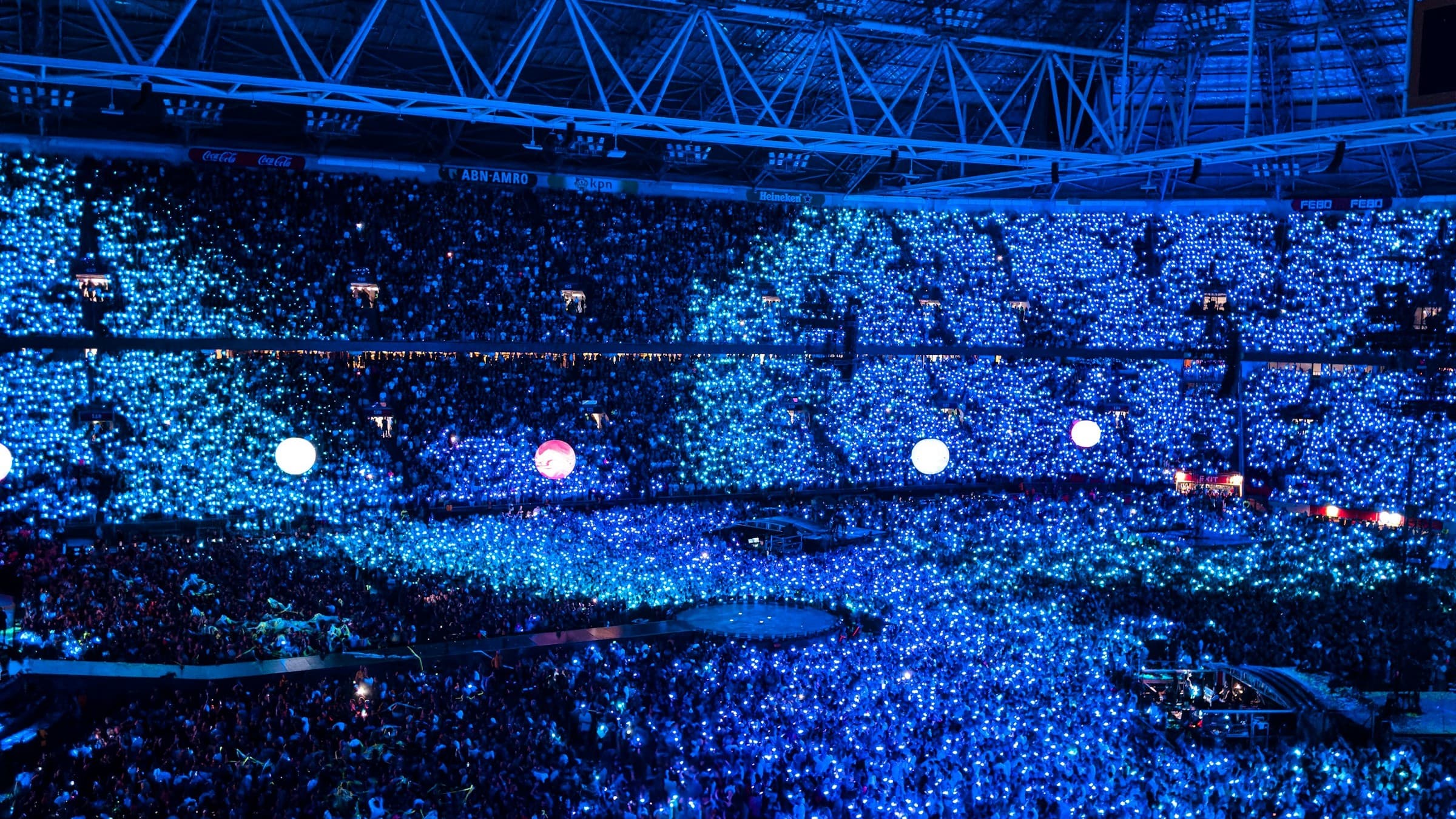







Comments
Comments
Loading comments…
Checking…