300 days in Shazam's global top 50
HUGEL & SOLTO's 'Jamaican (Bam Bam)' Samples Sister Nancy: What 'Bam Bam' Means
The voice on 'Jamaican (Bam Bam)' is Sister Nancy's, from 1982. What her Patois lines mean, which ones HUGEL and SOLTO cut, and its 300 chart days on Shazam.
Min Key,
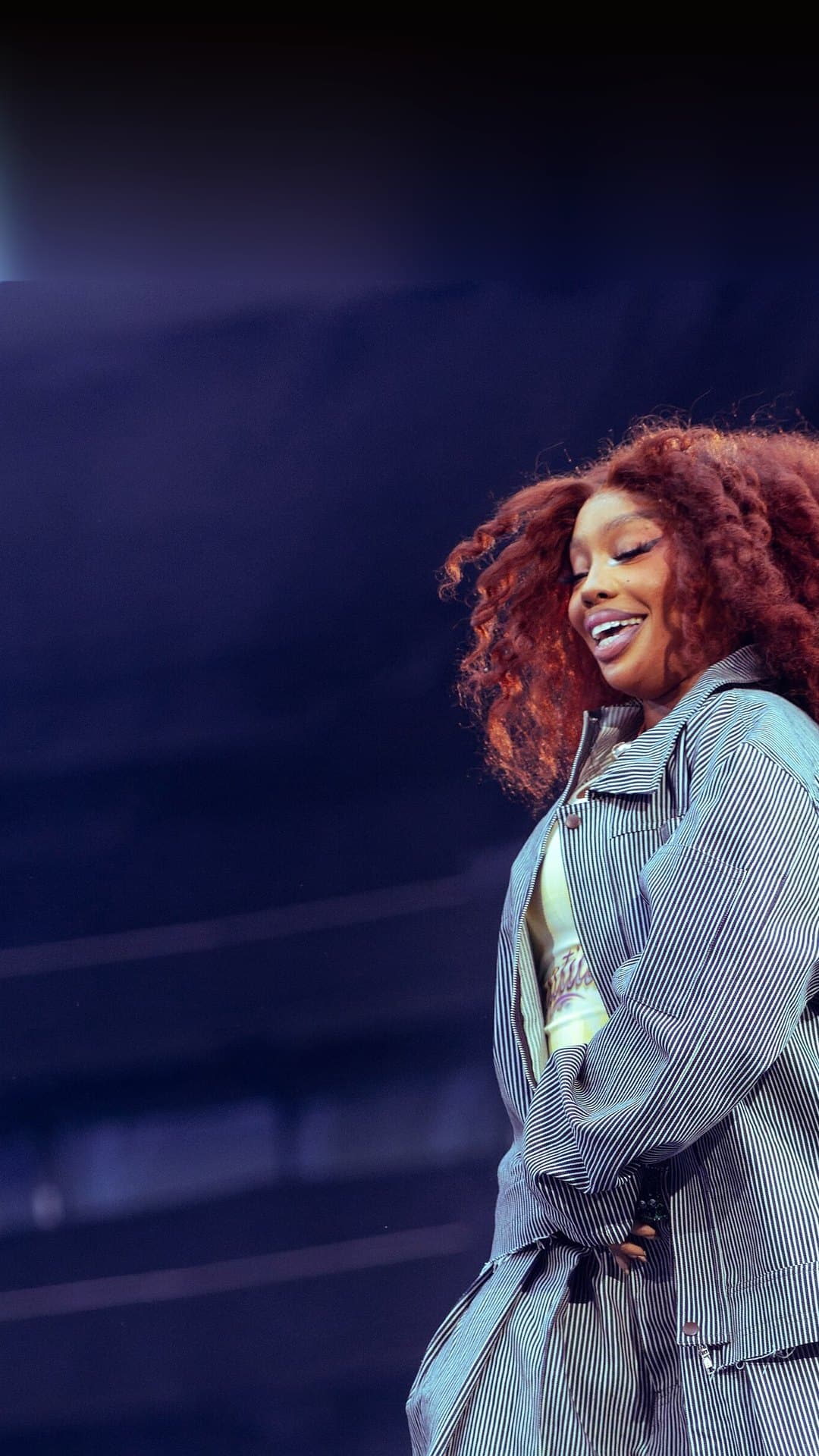
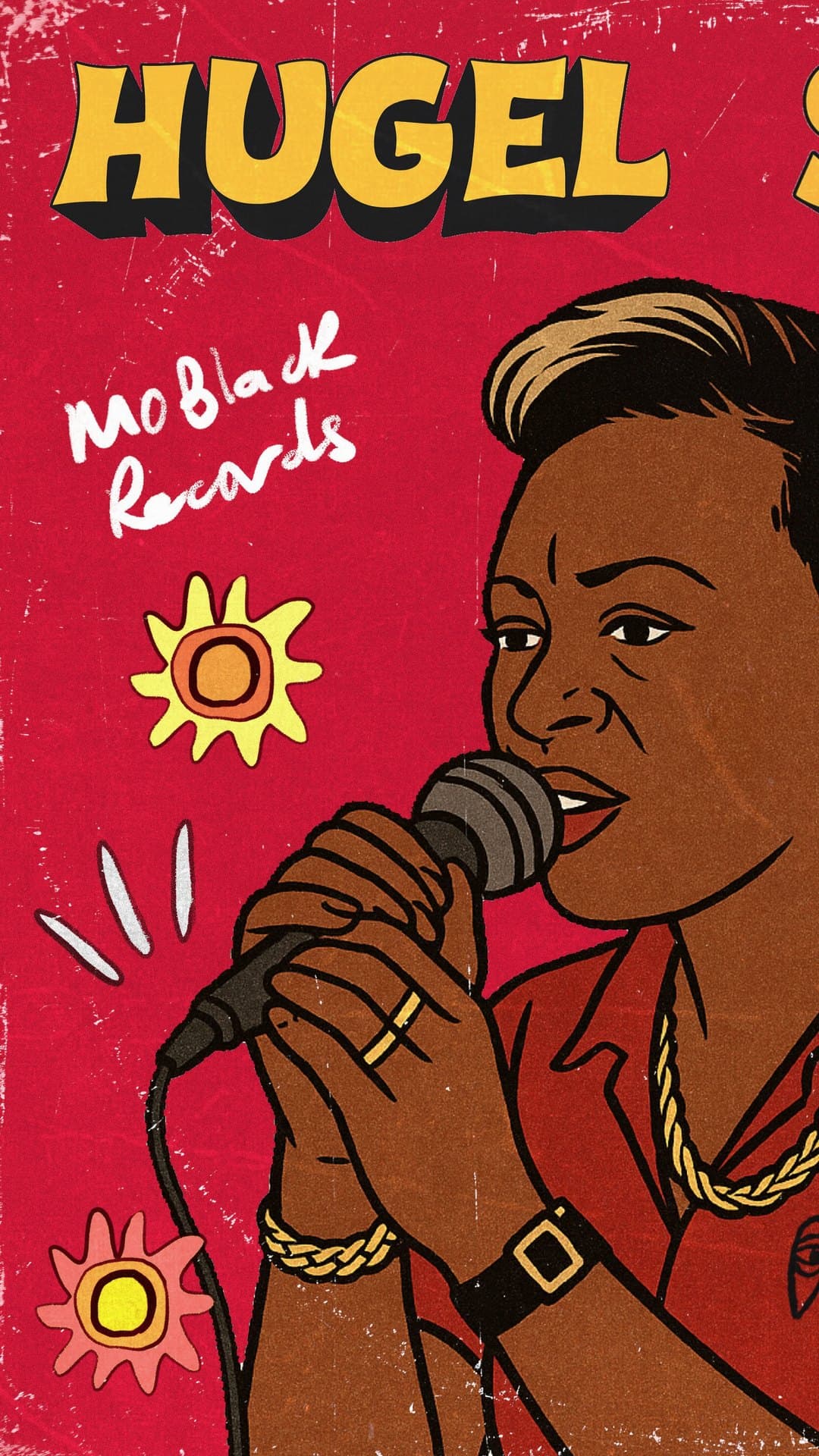
The voice on 'Jamaican (Bam Bam)' is Sister Nancy's, recorded in Kingston in 1982 for her single 'Bam Bam', which came out that year on her first album, One, Two. Rather than have it sung again, the French producers HUGEL and SOLTO used her 1982 take, sped it up to their tempo, built a new Afro house track under it and released the result on 7 November 2025.
'Jamaican (Bam Bam)' has rarely left Shazam since. By Shazam's own count the single entered its global top 50 on 28 November 2025, peaked at No. 2 and has spent 300 days there, with about 8 million Shazams. Of the roughly 70 countries whose Shazam charts our radar reads, between 37 and 40 have had it in their top 50 on every complete reading since 2 October. The latest, taken late on 16 October (UTC), counted 39, with the song at No. 2 in Ireland and No. 3 in Croatia, Peru and Portugal.
| Jamaican (Bam Bam) | |
|---|---|
| Artists | HUGEL and SOLTO, French producers |
| Released | 7 November 2025, MoBlack Records and Make the Girls Dance Records; 2:36 |
| Sampled vocal | Sister Nancy's 1982 vocal from 'Bam Bam', sped up about one and a half times |
| The 1982 record | Produced by Winston Riley for Techniques Records, on the Stalag riddim from Ansell Collins' 'Stalag 17' |
| Language | Jamaican Patois and English |
| Genre | Afro house; the 1982 original is dancehall |
| Tempo (our count) | 122 beats per minute; the 1982 record about 82 |
| Shazam, global | Peak No. 2; 300 days in the top 50, not all in a row, since first entering on 28 November 2025; about 8 million Shazams |
| Shazam, by country | Top 50 in 37 to 40 of about 70 countries on every complete daily reading, 2 to 16 October 2026 (UTC) |
| France | No. 6; certified diamond |
What song does 'Jamaican (Bam Bam)' sample?
The record sampled, as far as the lyrics show, is Sister Nancy's 'Bam Bam', which Winston Riley produced for his Techniques label at Channel One Studios in Kingston. Under her voice runs the Stalag riddim, the backing of Ansell Collins' instrumental 'Stalag 17', which Riley had released in the early 1970s and which Jamaican vocalists have reused ever since. Her refrain borrows its tune from Toots and the Maytals' 'Bam Bam', which won the first song contest of Jamaica's independence festival in 1966. The 2025 single's songwriter credits name Sister Nancy and Winston Riley, and a third writer, Cordel Dexter Burrell, whose share the credits do not explain. Apple Music credits the vocals to HUGEL and SOLTO and lists Sister Nancy only as a songwriter, under the surname Russell. Kanye West sampled the same record on 'Famous' in 2016, and JAY-Z on 'Bam' in 2017.
HUGEL and SOLTO kept most of her first half. Her voice comes in about seven seconds into the 2:36 single with the opening complaint, the refrain follows at about 23 seconds, and then comes the verse in which she says she has never troubled anyone. The drop that follows loops a clipped piece of that verse's last word, 'Jamaica', into a stutter that sounds like 'Jamaican', the word on the cover. Her lines about Kingston 6 come once, after the first minute and a half. Two passages of the 1982 record are missing: the lines after her Kingston 6 verse, where she calls herself a businesswoman and one in three million, and her last new verse, where she says she knows her craft from head to toe.
What does 'bam bam' mean in Sister Nancy's lyrics?
In Sister Nancy's refrain, “What a bam bam” reads as 'what a fuss' or 'what a stir', aimed at the people who keep talking about her. She sings in Jamaican Patois, the English-based creole of the island, with some lines in plain English. No dictionary we checked defines the phrase. It is best known in Jamaican music from the 1966 song, in which a man who bothers no one warns that whoever bothers him will bring on a 'bam bam'. Jamaican speech also often doubles a word, sometimes to stress it.
She opens with one thing she cannot understand: why people keep talking about her ambition. Some ask where she got it. They do not know, she says, that it came from creation; she was born with it.
In the next verse she says she has never troubled anyone, which turns the man of the 1966 song into a woman. “I'm a lady, I'm not a man”, she says, and to be an MC, chanting on the microphone, is her ambition; she has come to 'nice up' Jamaica, the dancehall phrase for making a dance lively. In the verse the 2025 single uses only once, she says she was born and grew up in Kingston 6, one of the capital's postal districts, and that she writes her own lyrics. In the passage the producers cut, she says some people think she wants to wreck their plans, when in fact she is a businesswoman.
In 1982 those were pointed things to say. The DJs of dancehall, the vocalists who chant over riddims, were almost all men. Sister Nancy is widely credited as dancehall's first female DJ, and she was the first woman DJ to perform at Reggae Sunsplash.
Sister Nancy says she received no royalties for 'Bam Bam' for 32 years. After her daughter heard it in a Reebok advertisement in 2014, a settlement paid her for the previous ten years and gave her half the rights to the song.
What genre is 'Jamaican (Bam Bam)'?
'Jamaican (Bam Bam)' is Afro house, the branch of house music built on African rhythms. Apple Music files the single under Afro House, it topped Beatport's Afro House chart, and it came out on MoBlack Records, a label built around that sound, with Make the Girls Dance Records. By our tempo counter it runs at 122 beats per minute. The 1982 record moves at about 82, a reggae walking pace. Her voice was sped up to match: her eight opening lines take about 23 seconds on the 1982 record and about 16 on the single.
'Jamaican (Bam Bam)' is not HUGEL's only long Shazam run. His 'Movin' To The Sun', with Ultra Naté singing, spent 75 days at the top of Shazam's global chart this year. Shazam counts five entries by him in its global top 50 since 2019, two of them versions of 'I Adore You', for 688 days in all.
Why 'Jamaican (Bam Bam)' is still on Shazam
Below Ireland, Croatia, Peru and Portugal, our 16 October reading had it at No. 4 in Colombia and Costa Rica, No. 5 in Spain, No. 6 in Chile, No. 7 in Greece and Saudi Arabia and No. 8 in the United Arab Emirates. English-language airplay charts had it at the top in Central America, Colombia, the Dominican Republic, Honduras and Nicaragua. In France it reached No. 6 and was certified diamond.
India heard it in a film trailer. Yash Raj Films used the track in the June 2026 trailer for its spy film Alpha, and in July the song reached No. 3 on India's international singles chart.
'Jamaican (Bam Bam)' is Sister Nancy's 1982 'Bam Bam' in her own voice: a woman MC telling the people who doubted her that she was born with her ambition, now heard over Afro house instead of a reggae riddim. We predict that our first Shazam reading on or after 7 November (UTC), a year after release, will find it in the top 50 in at least 30 of the countries our radar reads.
About the data
- Shazam's global figures (peak, days in the top 50, total Shazams) were read on HUGEL's Shazam artist page on 16 October 2026 (UTC). The country counts and places are from the Shazam readings our radar has taken roughly daily from 2 October (top 100, about 70 countries); one reading, late on 9 October (UTC), failed to load seven country charts and is left out, and Türkiye's chart has been read since 13 October. The latest reading was taken at 22:38 UTC on 16 October. Tempos are our own measurements of the official 30-second previews on Apple Music. The counter first read the 1982 record at double time; the length of its sung lines (about 2.9 seconds, one bar of four beats) puts it near 82. Section timings and the length of the opening lines are from user-submitted, time-coded lyrics of both records on LRCLIB.
- Release date, length and genre are from Apple Music's listing, and the songwriter credits from Apple Music and Deezer. France's peak and diamond award were checked on SNEP's site; the other chart peaks are as listed, with their sources, in the song's Wikipedia entry. The history of the 1982 record and Sister Nancy's career come from Wikipedia's entries on her and on 'Bam Bam', and the royalty account from her own 2017 interview with HOT 97, as cited there. We read both lyrics on LRCLIB, quote two short lines and retell the rest.
Follow mymy
The songs the world is playing: No. 1s across 60+ countries, AI-or-human checks and what the songs mean.
More song meanings and trends

Artwork: Glory Wave Sound ('The Adult I Dreamed Of' single)
NextOn YouTube's Korea charts since 27 JulyA Suno-sung ballad that YouTube found firstIs MEOMURU AI? The voice is Suno's, every single says so, and the words are human. 'The Adult I Dreamed Of' climbed YouTube in Korea before Melon's No. 3.Keep readingMin Key





Comments
Comments
Loading comments…
Checking…